A reproductive endocrinologist explores endometriosis, its affects on fertility and overall health, and ways to manage it.
March 4th, 2026 | 10 min. read
At a glance
- → Endometriosis is a chronic inflammatory condition that can cause pain, scarring, adhesions, and fertility challenges
- → Symptoms are often dismissed as “normal” period pain, which can delay diagnosis and treatment for years
- → Endometriosis does not mean pregnancy is impossible, but early fertility evaluation can help protect your options
- → The best care often involves a specialist who can address pain, fertility goals, surgical options, and whole-person support
Endometriosis is a chronic condition that is both common and frequently misdiagnosed. It can affect fertility but doesn't mean pregnancy is impossible. Early specialist care, surgical interventions, and multidisciplinary support often make the biggest difference.
In this article:
- What is endometriosis?
- Every Case Is Different
- Speak Up for Yourself
- Treatment Is Complex
- Protect Your Fertility
- You Can Still Get Pregnant
- Hysterectomy Is Not a Cure
- Multidisciplinary Care Matters
- Finding the Right Specialist
- Create Your Support Network
- Build a Whole-Patient Care Team
- Be Your Own Best Advocate
Endometriosis affects an estimated 1 in 10 women of reproductive age, yet it remains one of the most misunderstood and underdiagnosed conditions in medicine.
Research shows that patients wait an average of 7 to 10 years for an accurate diagnosis – a delay that has real consequences for fertility and quality of life. As a reproductive endocrinologist, I've seen firsthand how that gap in care affects patients trying to build their families.
Here are the ten most important things to know about endometriosis.
What is endometriosis?
Endometriosis is a chronic inflammatory condition in which tissue similar to the lining of the uterus (the endometrium) grows outside of the uterus. These lesions most commonly appear on the ovaries, fallopian tubes, and pelvic lining, but can also develop on the bladder, bowels, and other organs (less common).
Unlike the endometrium inside the uterus, this misplaced tissue has nowhere to shed during the menstrual cycle. The result is inflammation, scarring, and adhesions that can cause severe pain and, in many cases, impact fertility.
10 Things to Know About Endometriosis
1. Endometriosis is a highly personal journey
No two cases of endometriosis are alike.
The disease can present differently in each person, varying in severity, location of lesions, and the symptoms experienced. Some patients live with debilitating daily pain; others have minimal symptoms but still face significant fertility challenges.
Because there is no one-size-fits-all approach to diagnosis or treatment, every care plan must be carefully tailored to the individual. What works for one patient may be ineffective, or even contraindicated, for another.
That's why finding a knowledgeable specialist who listens closely to your experience is so important.
2. Being informed and advocating for yourself is key
Many of the symptoms of endometriosis are dismissed as "normal" period pain, which contributes to the significant diagnostic delay most patients experience.
If you are experiencing any of the following, speak with a healthcare provider and ask about the possibility of endometriosis:
- Diarrhea, constipation, or bloating, especially around your period
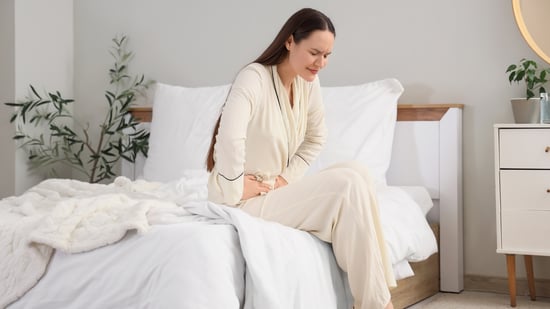
- Pelvic pain, especially before and during menstruation
- Painful cramps that are severe or worsening over time
- Heavy or irregular menstrual bleeding
- Pain during or after sexual intercourse
- Pain with bowel movements or urination
- Back or hip pain
- Fatigue
Depending on the nature and location of your symptoms, you may want to begin with your Primary Care Provider (PCP), an OB/GYN, a reproductive endocrinologist, or a specialist in pelvic pain. Your PCP can help coordinate an appropriate referral if needed.
Because 30-50% of women with endometriosis also face infertility, reproductive endocrinologists are ideal for managing the condition alongside trying to conceive.
Remember: Don't minimize your symptoms. Pain that disrupts your daily life is not something you simply have to tolerate.
3. Treating endometriosis is complex
While certain medications and hormonal therapies can help manage endometriosis symptoms – including pain relief medications, hormonal contraceptives, and GnRH agonists – none of these treatments cure the disease.
They work to suppress symptoms for as long as they are taken, but symptoms typically return once treatment stops.
Importantly, most hormonal treatments are not suitable for patients who are actively trying to conceive, since they work by suppressing ovulation.
This makes it especially critical to work with a specialist who understands your reproductive goals and can guide you toward options that align with both your symptom management needs and your family-building plans.
4. You can protect your fertility
Endometriosis can damage the ovaries, fallopian tubes, and other reproductive structures over time. Even patients who are not yet ready to try to conceive should consider consulting a reproductive endocrinologist to assess their current fertility status and take protective steps if needed.
Egg freezing (oocyte cryopreservation) is a valuable option for patients who are concerned about the potential long-term impact of endometriosis on their egg quality or ovarian reserve, but who are not ready to start a family. Preserving eggs now can protect future options.
Note: If you have been diagnosed with (or suspect) endometriosis, do not wait to have your fertility assessed. Early evaluation gives you more options.
5. You can get pregnant with endometriosis
A diagnosis of endometriosis does not mean you cannot have children. While research suggests that up to 50% of women with endometriosis may experience some degree of fertility challenges, many women with the condition do conceive naturally.
For those who do struggle with infertility related to endometriosis, in vitro fertilization (IVF) has been shown to be the most effective assisted reproductive treatment available.
IVF bypasses many of the structural and functional barriers that endometriosis can create, offering a strong pathway to pregnancy for patients who need additional support.
Getting a full fertility evaluation early on allows you more time to consider various pathways and create a family-building plan with your healthcare provider.
What's the right path?
Take our short 3-minute fertility assessment to receive personalized recommendations on the best treatment pathways for your situation.

6. Hysterectomy is not a cure for endometriosis
This is one of the most important and frequently misunderstood facts about endometriosis: because it is a disease of tissue growing outside the uterus, removing the uterus does not eliminate endometriosis. Lesions on the ovaries, bowels, bladder, or elsewhere will remain after a hysterectomy and can continue to cause pain.
If a healthcare provider is recommending a hysterectomy as a treatment for endometriosis, it is strongly advisable to seek a second opinion from a dedicated endometriosis specialist.
Removing the uterus also permanently eliminates the ability to carry a pregnancy, which makes this a decision that deserves careful, informed consideration – especially for patients who have not yet completed their family.
7. Multidisciplinary care improves outcomes
Endometriosis is not just a gynecological condition – it affects the whole person.
A comprehensive care team often includes providers from multiple disciplines working together to address the full scope of the disease:
- Pelvic floor physical therapist: to address musculoskeletal pain and pelvic dysfunction
- Nutritionist: to reduce inflammation and support gut health
- Mental health professional: to address the emotional toll of chronic pain and fertility challenges
- Pain management specialist: for patients with complex or severe pain
- Gastroenterologist or urologist: when bowel or bladder involvement is present
The good news? Patients who access this kind of coordinated, multidisciplinary care consistently report better quality of life and, in many cases, improved fertility outcomes.
8) Know what to look for in an endometriosis specialist
Finding the right specialist can feel overwhelming, but knowing what qualifications and approaches to look for can help you make an informed choice.
A truly skilled endometriosis specialist should:
- Perform excision surgery (not just ablation) in a high-volume center of excellence
- Aim to identify and remove endometriosis throughout the entire body, including challenging locations such as the bowel, bladder, and diaphragm
- Prioritize preservation of reproductive organs wherever possible
- Coordinate with and refer to other multidisciplinary providers
- Listen to your goals – whether those are pain relief, fertility preservation, or both
Excision surgery, in which lesions are cut out at the root rather than burned off, is widely regarded as the gold standard surgical approach. It is associated with lower rates of disease recurrence and better long-term outcomes.
9. Connect with others who understand
Living with endometriosis can be isolating, especially when symptoms are invisible to others and frequently minimized by the medical community. Connecting with peer support groups and other specialized resources can be a powerful source of information and validation.
Online Communities
- Nancy's Nook Endometriosis Education: An evidence-based educational group connecting endometriosis patients with vetted excision surgeons
- Endometropolis: A community for patients to share experiences and resources
- Endo Warriors: A supportive group offering encouragement, education, and connection
Advocacy & Research Organizations
- Endometriosis Foundation of America: Funds research, provides patient education, and hosts annual events to raise awareness
- Endometriosis Association: One of the oldest patient-led organizations dedicated to the disease, offering research updates and support networks
- EndoRISE: A Connecticut-based initiative focused on improving diagnosis and research
- iCareBetter: A physician-vetted directory specifically for locating excision surgeons and endometriosis specialists
Patients interested in contributing to research can search for active endometriosis trials at clinicaltrials.govDid you know? Patients with endometriosis who are interested in contributing to clinical research can search for active endometriosis trials at clinicaltrials.gov.
10. Find a care team that treats the whole patient
Both endometriosis and infertility carry significant physical, emotional, and psychological weight. Navigating them requires more than clinical expertise – it requires compassion, communication, and a team that sees you as a whole person, not just a set of symptoms.
Look for a care team that takes your pain seriously, includes you in treatment decisions, and provides access to both medical and wellness support. Whether you are managing symptoms, preserving fertility, or actively trying to conceive, having the right team around you makes an enormous difference.
Be Your Own Best Advocate
Endometriosis is unique to every individual – in how it presents, how it progresses, and how it affects daily life. That individuality means there is no substitute for knowing your own body, speaking up when something feels wrong, and finding providers who truly listen.
Share your goals openly with your care team – whether those goals center on pain relief, fertility, emotional support, or all of the above. Seek out multidisciplinary care. Lean on the endometriosis community for support and information. And know that with the right team and the right information, you have real options.
You deserve to be heard. With expert care, community support, and your own informed advocacy, you can take meaningful steps toward relief, fertility, and a fuller quality of life.
.png?width=175&height=175&name=Illume%20Circle%20Photo_Web%20Image%20Template%20(10).png)
Finding Hope
Nicole spent a decade searching for answers. An endometriosis diagnosis during IVF surgery changed everything — and led to two beautiful boys.
