
Search for topics or resources
Enter your search below and hit enter or click the search icon.
Find clear, compassionate guidance on symptoms, diagnosis, insulin resistance, fertility, and everyday management. Explore medically-reviewed articles and tools or connect with a PMOS specialist.

Choose from our most popular PMOS resources to jump to a section:
Polyendocrine metabolic ovarian syndrome (PMOS) may affect millions of women around the world, but it's still one of the most misdiagnosed and under-researched conditions.
If you’ve been diagnosed with PMOS, you may be feeling overwhelmed by the amount of information available — and wondering where to turn for reliable, trustworthy guidance.
This hub brings together helpful answers, actionable tips from PMOS professionals, and real patient success stories, so you can spend less time searching and more time feeling supported.

Head swimming with questions about PMOS? Start here for quick, clear, accurate answers.
Prioritize movement, nutrition, stress management, and symptom tracking.
While lifestyle changes and medications can help many people with PMOS manage symptoms, some need additional support when trying to conceive. At Illume Fertility, we offer advanced treatment options tailored to reduce risks and improve outcomes.

Medications like letrozole or clomiphene are often a first-line treatment to help stimulate ovulation in PMOS patients who aren’t ovulating regularly.

A non-invasive procedure that places sperm directly into the uterus, often combined with ovulation induction to increase chances of pregnancy.

IVF uses medications to stimulate the ovaries, retrieves eggs, fertilizes them in the lab, then transfers an embryo to help achieve pregnancy.
Each September, Illume Fertility recognizes PMOS Awareness Month with initiatives dedicated to supporting those affected by the condition.
Through educational content, live events, free yoga classes, and actionable tips from both experts and advocates, Illume has a long history of PMOS advocacy.

Connecting with trusted voices and established communities can make a big impact on your PMOS journey. Visit the organizations and experts below for education, advocacy, and tips.
.png?width=500&height=500&name=Logo%20slider%20(7).png)



Here's the truth: PMOS isn't just about irregular cycles, and it doesn't only affect women of reproductive age.
It can also increase your risk of type 2 diabetes, heart disease, and other health concerns, which is why proactive steps matter at every stage of life. Lifestyle changes are often the first line of defense.
Even modest weight loss, about 5–10%, can improve insulin sensitivity and help restore more regular cycles. Providers may also recommend medication such as metformin or birth control pills to manage symptoms.
It’s important to check in regularly with your doctor about blood pressure, cholesterol, and blood sugar, especially if you have added risk factors.
PMOS does not disappear at menopause, but symptoms may shift over time. Even later in life, ongoing healthy habits and routine check-ups play a key role in protecting your long-term health.

PMOS is one of the leading causes of infertility, but with the right care, most patients are able to successfully conceive.
At Illume Fertility, you’ll have a dedicated team that understands the full picture of PMOS — from cycle regulation and symptom management to advanced fertility treatment when needed.
Our reproductive endocrinologists, nutritionists, acupuncturists, and mental health providers work together to create a plan that’s tailored to your body and your goals.
Whether you’re just starting out or ready to move into treatment, we’ll meet you where you are and guide you every step of the way.
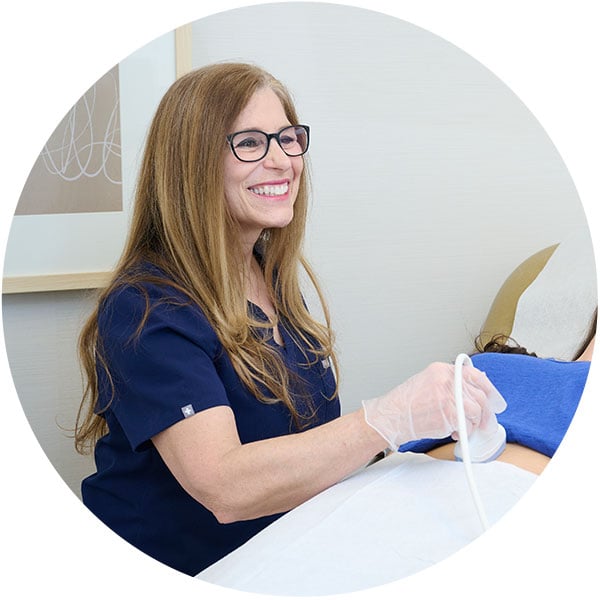
Looking for support? Here's a quick preview of what to expect as a new patient at our practice.
Our dedicated PMOS care team will tailor recommendations and timelines to your individual needs and goals.


No matter your goals, our team is equipped to help you navigate this common, yet challenging condition and learn how to take charge of PMOS with tailored support.
We’re here for you - every step of the way.