
January 16th, 2026 | 22 min. read

The new year represents fresh beginnings, renewed hope, and the perfect opportunity to take control of your family-building dreams. If growing your family is on your 2026 vision board, there's no better time than January to schedule your first fertility consultation.
Here's why fertility clinics experience a surge in visits during this pivotal month, and what you need to know about starting your journey.
In this article:
- The January Fertility Phenomenon
- What to Expect at Your Fertility Consultation
- Fertility Testing: The Diagnostic Phase
- Fertility Treatment Options & Timelines
- LGBTQ+ Family-Building Pathways
- Single Motherhood by Choice
- The Power of Starting in January: Real Timelines, Real Results
- Making the Most of Fresh Insurance Benefits
- Supporting Your Fertility Journey Holistically
- The 90-Day Preconception Plan
- Taking the First Step Today
- This Could Be Your Year
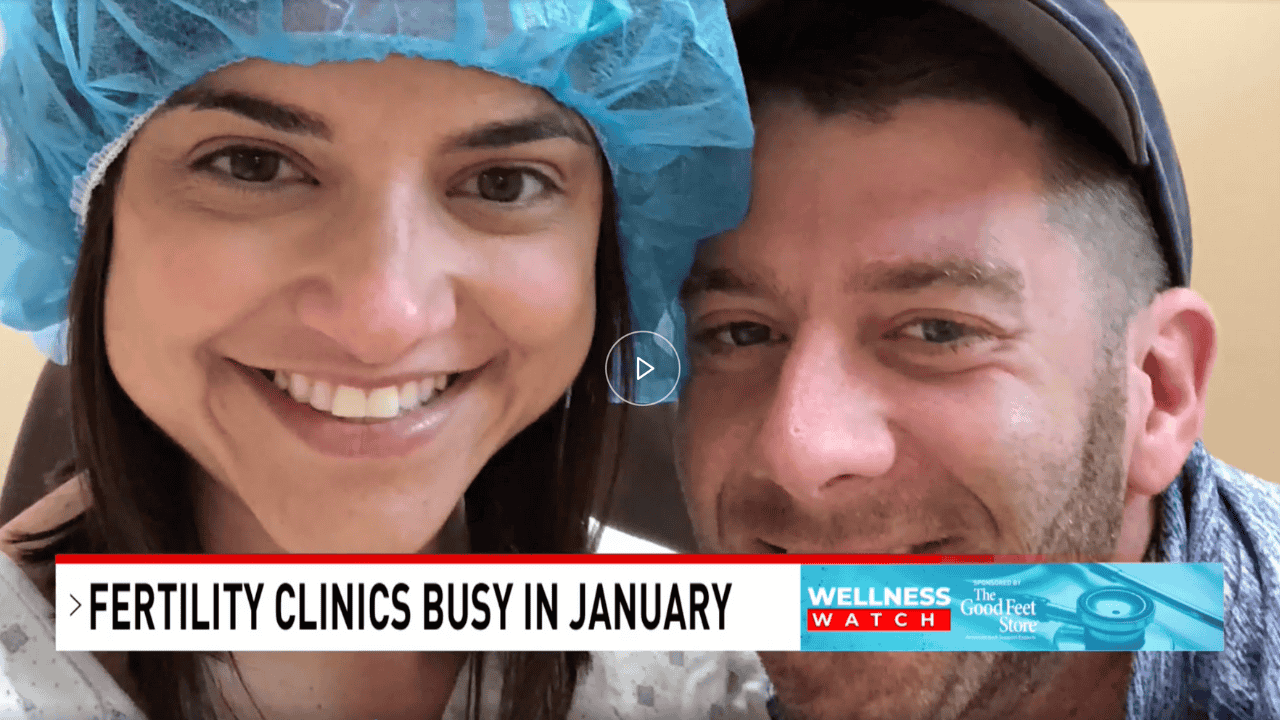
As featured on CBS6 Albany: January sees surge in fertility clinic visits as couples reflect and plan for their future
The January Fertility Phenomenon
The first month of the year consistently ranks as one of the busiest months for fertility clinics nationwide. This annual surge isn't coincidental — it reflects a powerful combination of emotional readiness, practical timing, and fresh resolve that makes the beginning of the year uniquely suited for starting fertility treatment.
Fertility specialists observe several key factors driving this trend. Many individuals and couples spend December reflecting on their family-building goals, especially during the holiday season when gatherings highlight the families they hope to create.
What are the benefits of starting now?
As Illume's Dr. Alexander Kucherov shared in a recent television interview on CBS6 Albany, January represents a time when people reflect on attempts to conceive in the prior year and consider their fertility preservation or treatment options as a new chapter begins.
Beyond emotional readiness, January offers practical advantages that make it the optimal starting point for fertility care. Insurance benefits reset at the beginning of the year, providing fresh coverage for fertility testing and treatment. For those who previously lacked fertility benefits, January may bring new insurance plans with expanded coverage.
Additionally, the start of the year allows for better treatment timeline planning, with many patients hoping to welcome a baby by year's end.
Taking the First Step: Booking Your Fertility Consultation
The journey to achieving your goals begins with a single, empowering decision: scheduling your first fertility consultation. At Illume Fertility, this process is designed to be seamless, secure, and accessible, with most initial consultations offered via HIPAA-compliant telehealth appointments for your convenience.
If you prefer to meet with one of our physicians in person, we offer convenient access to families across the New York Tri-State area, with five offices located in Norwalk, Stamford, Danbury, and Trumbull, CT and Harrison, NY.
What Happens When You Call
When you reach out to schedule your consultation, you'll work with our team to find an appointment time that accommodates both you and your partner, if applicable. The scheduling process typically takes just minutes, and appointments can often be arranged within days or weeks, depending on your schedule and our physicians' availability.
For telehealth appointments, you'll receive instructions on how to join the virtual meeting from the comfort of your own home. This eliminates travel time and allows you to have this important conversation in a private, comfortable environment where you can focus entirely on your goals and questions.
Timeline Expectations
One common question prospective patients ask is: "How quickly can I get started?"
The good news is that your initial consultation can typically be scheduled by one of Illume's New Patient Liaisons during your first call together.
Fertility testing and treatment can often begin within 6-8 weeks of that first call. Once you've completed your consultation, diagnostic testing usually begins soon after, with fertility testing timelines varying based on your menstrual cycle and the specific tests required.
Get ready for your first fertility appointment:
With space to write down questions you want to ask the doctor, next steps, and other helpful reminders, our Fertility Consultation worksheet will help you feel more prepared.

What to Expect at Your Fertility Consultation
Your first fertility consultation is a comprehensive appointment designed to give you clarity, answers, and a personalized roadmap forward. Understanding what to expect can help ease anxiety and ensure you make the most of this important meeting.
Meeting Your Care Team
During your first 1-hour consultation, you'll meet your reproductive endocrinologist, a highly-trained physician specializing in fertility medicine. Shortly thereafter, you'll be introduced to your complete Care Team, which includes a fertility nurse, patient navigator, and financial coordinator.
This collaborative, team-based approach ensures you receive comprehensive support throughout every stage of your journey.
Your doctor will discuss your medical history, previous attempts to conceive, any fertility challenges you've experienced, and your specific family-building goals. This conversation is thorough and personalized, allowing your physician to understand your unique situation and recommend the most appropriate next steps.
Questions to Ask at Your First Appointment
We encourage you to come prepared with questions to maximize the value of your initial consultation. Essential topics to discuss might include:
- What specific fertility testing will I (and my partner) need?
- Based on my situation, what treatment options do you recommend?
- What is the typical timeline for the recommended treatment pathway?
- What can I do now to optimize my fertility while waiting to begin treatment?
- What lifestyle modifications should I consider?
- How does my insurance coverage work for fertility services?
- What additional wellness resources do you offer?
- What are my chances of success with the recommended treatment?
Want more? Explore our comprehensive list of 23 questions to ask a fertility specialist.
Preparing for Your Consultation
- Before your appointment, try to gather relevant medical records, including any previous fertility testing, hormone panels, or surgical reports.
- Contact your insurance provider to understand your fertility coverage, including which clinics are in-network and what limitations apply.
- Consider documenting your menstrual cycle history, any symptoms or previous pregnancy losses you've experienced, and your general timeline of trying to conceive.
Most importantly, think about your end goal.
Whether you're hoping for one child or planning a larger family, whether you have specific timing considerations, or whether certain treatment approaches align better with your values and lifestyle, communicating these preferences helps your doctor create a treatment plan tailored to your vision.
Fertility Testing: The Diagnostic Phase
Before treatment can begin, comprehensive fertility testing provides crucial information about your reproductive health. This diagnostic phase helps your doctor identify any underlying issues and recommend the most effective treatment pathway.
For Female Patients
Fertility testing for women typically includes:
- Bloodwork to assess hormone levels (including AMH, FSH, estradiol, and thyroid function)
- Transvaginal ultrasound to evaluate ovarian reserve
- Hysterosalpingogram (HSG) to confirm fallopian tube patency
- Saline sonohysterogram (SHG) to evaluate uterine health
These tests are usually coordinated with your menstrual cycle, with specific tests scheduled on particular cycle days for accurate results.
For Male Patients
Male fertility evaluation centers on semen analysis, which assesses sperm count, motility, and morphology. This test provides critical information about male factor fertility and helps determine whether treatments like IUI or IVF might be necessary.
Additional hormone testing may be recommended depending on initial results.
How long does fertility testing take?
The diagnostic phase typically takes around 4–6 weeks to complete, as some tests must align with specific points in the menstrual cycle. Once all results are available, you'll meet with your doctor to review findings and finalize your treatment plan.
This comprehensive approach ensures treatment recommendations are based on complete, accurate information about your fertility status – saving you valuable time, money, and emotional stress.
Fertility Testing Workbook
Created to help you understand what each test evaluates, how testing fits into your cycle, and what your results might mean so you can move forward with confidence.

Fertility Treatment Options & Timelines
Fertility treatment is not one-size-fits-all.
Your recommended treatment pathway will depend on your specific diagnosis, age, ovarian reserve, partner's fertility status (if applicable), and personal preferences. Understanding the timeline for each treatment option helps you plan accordingly and set realistic expectations.
Intrauterine Insemination (IUI)
IUI is often recommended for couples with mild male factor infertility, cervical factor infertility, or unexplained fertility challenges. The process involves monitoring your natural cycle or using medication to stimulate ovulation, then precisely timing the insemination procedure to coincide with ovulation.
IUI Treatment Timeline
Each IUI cycle takes approximately 2 weeks from the start of your menstrual cycle to insemination, with pregnancy testing occurring 2 weeks after the procedure. Many patients complete 3–6 IUI cycles before moving to more advanced treatment if unsuccessful.
What is the success rate of IUI?
Success rates vary based on age and diagnosis but typically range from 10–20 percent per cycle for patients under 35.
In Vitro Fertilization (IVF)
IVF represents the most effective fertility treatment available and may be recommended for various diagnoses, including tubal factor infertility, moderate to severe male factor infertility, diminished ovarian reserve (DOR), endometriosis, or after unsuccessful IUI cycles.
The IVF process involves several distinct phases:
- Ovarian stimulation: 10–14 days of injectable medications to stimulate multiple egg development, with monitoring appointments every few days.
- Egg retrieval: A minor surgical procedure performed under anesthesia to retrieve mature eggs from the ovaries.
- Fertilization: Retrieved eggs are fertilized with sperm in the laboratory.
- Embryo development: Embryos are cultured and carefully monitored in the Embryology Lab as they develop (around 5–7 days).
- Embryo transfer: An embryo is transferred to the uterus, typically 5–7 days after retrieval for fresh transfers or during a subsequent cycle for frozen embryo transfers.
IVF Treatment Timeline
One complete IVF cycle, from the start of ovarian stimulation through pregnancy testing, takes approximately 4–6 weeks. If preimplantation genetic testing (PGT) is desired or recommended, add an additional 4–6 weeks between retrieval and transfer.
Many patients achieve pregnancy within 1–3 IVF cycles.
What is the success rate of IVF?
IVF success rates vary significantly by age and diagnosis. You can explore Illume Fertility's success rate data here.
Fertility Preservation (Egg Freezing)
For individuals not yet ready to conceive but wanting to preserve their fertility for the future, egg freezing offers an empowering option. The process mirrors the first portion of an IVF cycle—ovarian stimulation and egg retrieval—but retrieved eggs are frozen for future use rather than immediately fertilized.
Egg Freezing Timeline
Egg freezing takes approximately 2–3 weeks from the start of medications through retrieval and freezing. The frozen eggs can remain preserved indefinitely until you're ready to use them.
Who should consider egg freezing?
Individuals in their late 20s to mid-30s who aren't ready for children but want to maximize their chances of future pregnancy success, those facing medical treatments that may impact fertility (such as chemotherapy or gender-affirming care), or those who haven't yet met their future co-parent.
LGBTQ+ Family-Building Pathways
For LGBTQ+ individuals and couples, family-building pathways involve unique considerations and timelines. Illume Fertility specializes in helping all types of families achieve their dreams of parenthood, with expertise in the specific processes required for same-sex couples and transgender individuals.
For Female Same-Sex Couples
Female couples have several family-building options, each with different timelines and considerations. Here are the most common pathways:
Intrauterine Insemination (IUI) with Donor Sperm
One partner undergoes IUI using donor sperm from a sperm bank. This process involves selecting a sperm donor, which can take a few weeks, followed by standard IUI treatment cycles.
Sperm donor selection can take as little as 2–4 weeks, or longer if there are unique genetic concerns or preferences. Each IUI cycle takes around 4 weeks from start to pregnancy test.
Most couples complete 3–6 cycles before considering IVF (if needed).
Traditional IVF with Donor Sperm
One partner undergoes ovarian stimulation and egg retrieval, eggs are fertilized with donor sperm, and embryos are transferred to the same partner. Standard IVF timeline of 4–6 weeks per cycle, plus initial donor selection time.
Reciprocal IVF (RIVF)
This unique option allows both partners to participate in the pregnancy process. One partner undergoes ovarian stimulation and egg retrieval, eggs are fertilized with donor sperm, and an embryo is transferred to the other partner who carries the pregnancy.
RIVF follows standard IVF timelines (4–6 weeks from stimulation to transfer), but both partners undergo medical preparation. The partner carrying the pregnancy needs several weeks of medication to prepare the uterine lining for transfer.
Who benefits from RIVF?
Couples who want both partners biologically connected to their child, situations where one partner has better egg quality but the other partner prefers to carry, or couples who simply want to share the biological and physical aspects of creating their family.
For Male Same-Sex Couples
Male couples require both an egg donor and a gestational surrogate (also called a gestational carrier) to build their families. Surrogacy is a much more complex process that involves additional time for matching and legal considerations.
The Surrogacy Process
- Egg donor selection: Working with an egg donor agency or egg bank to find a donor whose characteristics align with your preferences. Timeline: 2–6 months.
- Gestational carrier matching: Finding a qualified surrogate who will carry your pregnancy. This involves medical screening, psychological evaluation, and legal contract negotiation. Timeline: 3–6 months.
- IVF with donor eggs: The egg donor undergoes ovarian stimulation and egg retrieval, eggs are fertilized with sperm from one or both intended fathers, and embryos are cultured and frozen. Timeline: 4–6 weeks.
- Embryo transfer to gestational carrier: A frozen embryo is transferred to the gestational carrier during a medically optimized cycle. Timeline: 4–6 weeks of preparation, followed by transfer and pregnancy testing.
Total Surrogacy Timeline
Male couples should expect the entire surrogacy process, from beginning matching to pregnancy, to take 12–24 months (or more). While this timeline is significantly longer than other pathways, the result is worth the wait, and your Care Team guides you through each step with expertise and support.
Legal considerations
Surrogacy involves legal contracts between intended parents and the gestational carrier. Working with an attorney specializing in reproductive law is critical and usually starts during the matching process, before the medical cycle begins.
Meet Adeel & Anthony
Two dads open up to share their personal journey through egg donation and surrogacy and offer helpful tips for fellow dads-to-be considering surrogacy.

Single Motherhood by Choice
More individuals than ever are choosing single motherhood as a path to building the families they've always wanted. Whether you've always envisioned this path or have arrived here after life circumstances, becoming a single mother by choice is an empowering decision that fertility medicine fully supports.
Getting Started
As a single mother by choice (SMBC), your family-building journey will involve using donor sperm (typically from a sperm bank). Many sperm banks offer extensive donor profiles, including physical characteristics, medical history, education, and even personality assessments to help you make an informed choice.
Treatment Options
IUI with Donor Sperm
For most single women with no known fertility issues, IUI with donor sperm is the recommended starting point. This less invasive, more affordable option offers reasonable success rates for many patients.
Timeline: Donor selection takes 2–4 weeks, followed by standard IUI cycles (4 weeks per attempt). Most patients try 3–6 IUI cycles before considering IVF if unsuccessful.
IVF with Donor Sperm
IVF may be recommended from the start if you're over 38, have diminished ovarian reserve, blocked fallopian tubes, or other fertility challenges. IVF offers higher success rates per attempt and is the most effective treatment available.
Timeline: Standard IVF timeline of 4–6 weeks per cycle, following donor selection.
SMBC Treatment Timeline
Age is a crucial factor in planning your timeline. If you're under 35 with no known fertility issues, starting with IUI cycles is reasonable and allows for several months of attempts before moving to IVF if needed.
However, if you're approaching 38 or older, your doctor may recommend moving directly to IVF to maximize your chances of success while your egg quality is optimal.
Additional Considerations for SMBCs
Many single mothers by choice find that building a support system before beginning treatment enhances their experience. Consider connecting with SMBC communities, online support groups, or working with a fertility counselor who can help you process the emotional aspects of this journey.
Illume Fertility offers a network of mental health providers experienced in supporting patients through family-building and can connect you with resources specifically for single mothers by choice.
The Power of Starting in January: Real Timelines, Real Results
Let's look at how starting your fertility journey in January might unfold throughout the year:
- January: Schedule and complete your initial fertility consultation and comprehensive fertility testing.
- February–March: Receive test results, finalize your treatment plan, and begin your first treatment cycle (IUI or IVF).
- March–September: Complete treatment cycles as recommended. For IUI patients, this might mean 3–6 cycles over several months. For IVF patients, this typically involves 1–3 cycles, including time for any recommended genetic testing.
- October–December: For many patients who begin in January, a positive pregnancy test occurs by fall, with a healthy pregnancy progressing into the holiday season.
- Year end: Some patients who started in January welcome their babies before year's end, while others enter the new year expecting arrivals in early spring.
This sample timeline demonstrates how beginning this process in January maximizes your chances of achieving pregnancy within the same calendar year. While every journey is unique and success isn't guaranteed on any specific timeline, starting early provides the time needed to complete necessary treatment cycles and adjustments.
Why Waiting Could Cost You Precious Time
The unfortunate reality is that fertility is time-sensitive, with female egg quality and quantity declining with age, particularly after 35. Every month matters when you're hoping to grow your family.
Consider this: If you wait until summer to schedule your consultation, you'll lose 6 months of potential treatment time—time that could have included diagnostic testing, treatment cycles, and possibly even pregnancy.
January's timing also aligns with optimal treatment planning throughout the year. Starting early allows you to complete initial cycles before summer vacation season, provides flexibility if you need multiple cycles, and ensures you're not rushing treatment decisions due to time pressure.
Making the Most of Fresh Insurance Benefits
The reset of insurance benefits in January represents a significant financial advantage for many patients. That said, understanding how to maximize your insurance coverage requires attention to several key factors.
Understanding Your Fertility Coverage
Before your consultation, contact your insurance provider to ask the following questions:
- Does my plan cover fertility testing and treatment?
- What specific services are covered (testing, IUI, IVF, medications)?
- Is there a lifetime maximum benefit for fertility services?
- Which fertility clinics are considered in-network?
- Do I need prior authorization before beginning treatment?
- Are fertility medications covered under my pharmacy benefit or medical benefit?
Many states have fertility insurance mandates requiring coverage of diagnosis and treatment.
Connecticut and New York both have strong fertility coverage requirements, though specifics vary by plan type. Your Illume Fertility financial coordinator will help you understand your specific benefits and maximize available coverage.
Why this matters:
If your plan includes per-calendar-year limits on certain services, starting in January allows you to use your full annual allocation. For example, if your plan covers 3 IUI cycles per year, beginning in January gives you the entire year to complete these cycles and potentially move to IVF if needed—all within the same benefit period.
For Those Without Insurance Coverage
If your insurance doesn't cover fertility treatment, or if you're paying out-of-pocket for certain services, Illume Fertility offers various financing options, bundled in-house plans, and can direct you to fertility grants and financial assistance programs. Starting in January still offers advantages, as it allows time to arrange financing and move forward without delay.
Supporting Your Fertility Journey Holistically
Successful fertility treatment extends beyond medical procedures. Research demonstrates that holistic support – including nutrition, stress management, and mental health care – can positively impact treatment outcomes and overall wellbeing during this journey.
Integrated Fertility & Wellness at Illume
At Illume Fertility, we believe that treating the whole patient (not just their medical needs) creates better outcomes.
That's why we created our comprehensive Integrated Fertility & Wellness (IFW) program—a multidisciplinary team of professionals dedicated to providing complete mind and body support throughout your fertility journey.
Our in-house IFW team includes licensed acupuncturists, registered dietitian nutritionists, and a vetted network of mental health professionals experienced in fertility-related counseling. This unique program helps increase resilience, manage complicated emotional situations, and optimize your chances of success.
Fertility Acupuncture
Research suggests acupuncture may improve blood flow to reproductive organs, reduce stress, and potentially enhance IVF outcomes. Our licensed acupuncturists offer both traditional needle and laser acupuncture, with appointments available at multiple locations.
Note: Many patients begin acupuncture during the diagnostic phase and continue through treatment and early pregnancy.
Nutrition Counseling
Working with a fertility-focused registered dietitian nutritionist helps optimize your diet for reproductive health, manage treatment side effects, and prepare your body for pregnancy.
Our nutritionists create personalized plans that support both your fertility goals and general wellness while maintaining a balanced lifestyle.
Mental Health Support
The emotional aspects of fertility treatment are just as important as the physical.
Through our network of experienced fertility counselors, you can develop personalized coping strategies, process complex feelings, and maintain emotional equilibrium throughout your journey. Individual counseling, couples therapy, and support groups are all available.
Why Integrated Care Matters
Studies show that patients who engage with holistic fertility support services often report:
- Lower stress and anxiety levels
- Better treatment adherence and completion rates
- Improved overall wellbeing during treatment
- Enhanced ability to cope with setbacks
- Greater satisfaction with their fertility journey experience
Illume Fertility's IFW program supplements and enhances your medical treatment plan, helping you maintain balance and manage stress along the way. To learn more about our Integrated Fertility & Wellness offerings or to schedule an appointment with one of our wellness providers, please speak with your patient navigator.
What's the right path for me?
Take our free 3-minute fertility assessment for expert-driven treatment recommendations, next steps, and more.

The 90-Day Preconception Plan
While completing your diagnostic testing and preparing for treatment, you can take proactive steps to optimize your fertility. The 90 days before conception (or treatment) represent a critical window when lifestyle modifications can impact egg and sperm quality.
Key Areas to Focus On Now
- Nutrition: Prioritize whole foods, lean proteins, healthy fats, and plenty of fruits and vegetables. Consider a prenatal vitamin with folate.
- Exercise: Moderate physical activity supports reproductive health, though excessive high-intensity exercise can sometimes interfere with ovulation. Talk to your doctor before beginning a new exercise regimen.
- Stress management: Develop sustainable stress-reduction practices like meditation, yoga, or mindfulness exercises.
- Sleep: Aim for 7–9 hours of quality sleep nightly, as sleep impacts hormone regulation.
- Limit alcohol and stop smoking: Both substances can negatively impact fertility.
- Environmental toxins: Minimize exposure to endocrine disruptors found in certain plastics, personal care products, and pesticides. Ask your doctor for personalized guidance and what to avoid.
Starting these habits in January while completing your diagnostic work means your body will be optimally prepared for a healthy pregnancy by the time treatment begins.
Taking the First Step Today
Every journey to parenthood begins with a single courageous action: deciding to seek help.
If you've been trying to conceive without success, if you're concerned about your fertility potential, or if you know you'll need medical assistance to build your family, January is your moment.
The combination of fresh insurance benefits, optimal yearly timing, and the psychological fresh start that January represents creates the perfect storm of opportunity. Fertility clinics report that patients who begin their journeys in January often express feeling more empowered, better prepared, and more optimistic about their chances of success.
What to Do Right Now
- Call to schedule your consultation: Don't wait another day. Contact Illume Fertility via phone at (203) 750-7400 or through this form to book your first appointment. Telehealth appointments make it easy to meet with your doctor from anywhere.
- Request a free fertility assessment: Illume Fertility offers online fertility assessments that help you understand where you are in your fertility journey and what next steps might be right for you.
- Contact your insurance company: Understand your benefits before your consultation so you can make informed decisions about your treatment plan.
- Begin preparing your body: Start implementing healthy lifestyle habits now to optimize your fertility for the months ahead.
- Build your support system: Share your plans with trusted loved ones, join online communities, or connect with a therapist experienced in fertility-related counseling.
You Don't Have to Do This Alone
As Deanna Witte, a former Illume Fertility patient featured in the CBS6 Albany report, shared about her own journey to parenthood, the timing might not be what you initially expected, but with the right support and persistence, success is possible.
After years of unsuccessful attempts at other clinics, the Witte family found success at Illume Fertility and now have two sons, Luke and Brooks.
Their advice? Don't waste time if you don't feel your current path is working. Do your research, find a clinic where you feel supported, and don't give up.
This Could Be Your Year
Imagine holding your baby by year's end. Imagine looking back at January as the month everything changed – the month you took control of your fertility journey and made your family-building dreams a priority.
January's unique timing, combined with comprehensive fertility care from a clinic that truly supports your journey, creates the opportunity for real success. Whether you're just beginning to think about fertility treatment, you've been trying unsuccessfully for months, or you know you'll need assistance building your family, the time to start is now.
Your Care Team at Illume Fertility is ready to guide you through every step of this journey with expertise, compassion, and unwavering support. We've helped thousands of patients – from diverse backgrounds, with varied diagnoses, and through every treatment pathway imaginable – achieve their dreams of parenthood.
If you're ready to take the next step towards achieving your goals, reach out today via phone or request a consultation.

This New Year, Begin With Clarity
Get expert guidance and personalized next steps with a free fertility assessment.
